
Useful tips for parents
Useful tips for parents: the top 5 parenting tips, setting boundaries and why physical punishment harms a child.
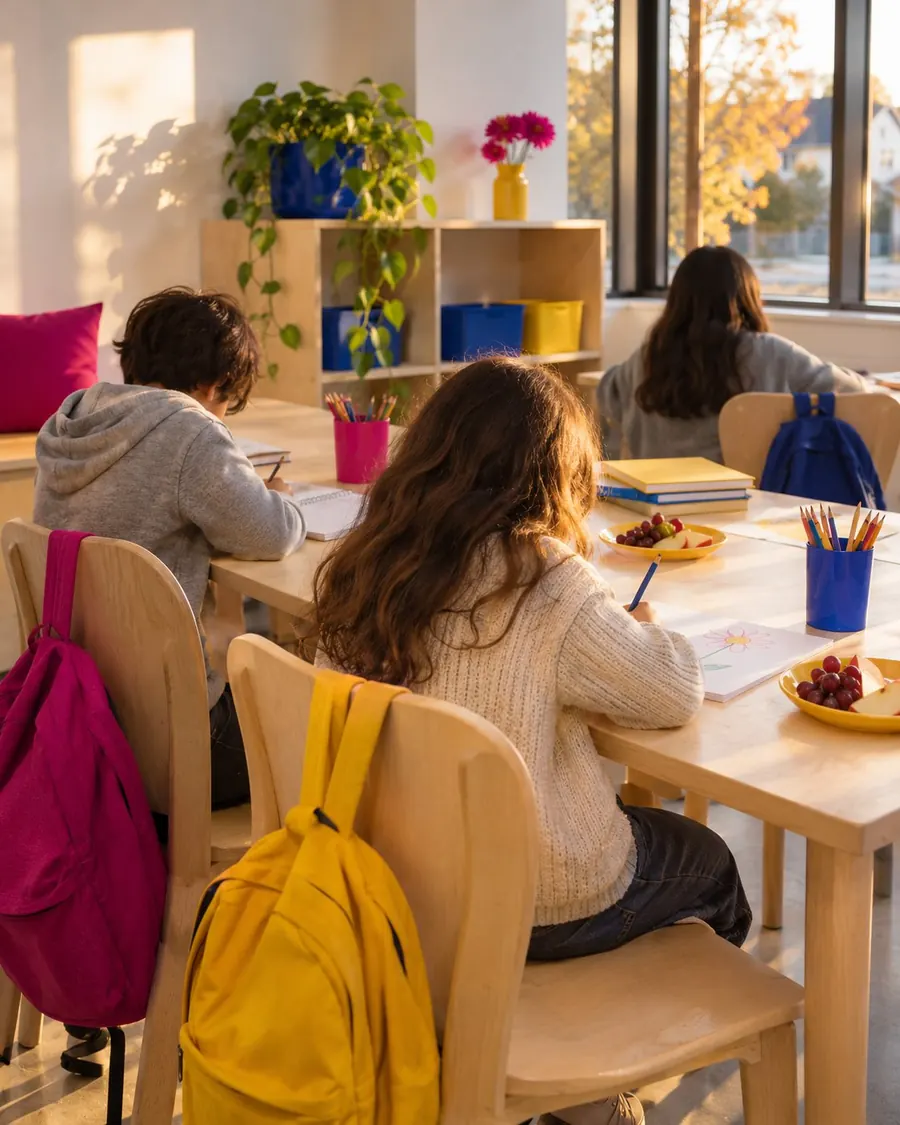
Almost every parent wants the best for their child. But sometimes we're so busy doing that that we don't notice basic things and, as a result, our expectations are not met. To prevent this from happening, we offer you useful tips for parents.
Parenting tips: top 5
The main tips for those who raise a child:
- Educate a person. Very often parents try to make their child a champion in dance or soccer. But this is not the main thing. First of all, he must communicate with others, protect their interests, control emotions and so on.
- Set the boundaries of permissible. From a child who can do everything, will not grow into a normal adult. It is very important to teach your child from childhood to see the boundaries and not to go beyond them.
- Listen and hear your baby. You should not wave your child away when he wants to tell you something. In the midst of all the hustle and bustle of life find a minute to communicate with him.
- Frequently allow. In this way you can learn more about freedom and its disposal of the child. And this is already very much. Practice shows that permission is better to strengthen the authority of the mother or father than punishment.
- Teach to make independent choices. This applies to everything that surrounds the child. Teach him to see all the pros and cons of a particular thing or situation. Then life will be easy for him.
People's advice for parents: separately about punishment
Growing up children – this movement forward. And each new stage in the life of a child is accompanied by an age crisis. At such times, parents often do not know how to behave properly with a daughter or son. And against this background there are conflicts, which are not as easy to resolve as it may seem.
It is difficult to determine whether your child is difficult or not &ndash. And it is also impossible to notice the age crisis. That's why experts recommend being constantly in your child's life. This will help you recognize the transition and support your baby. If this does not happen, most parents do not understand what is happening and apply punishment without thinking about the consequences.
When a child is punished physically, it leads to a change in personality:
- includes the mechanism of aggression to the weak and defenseless;
- avoidance of intimacy with members of the opposite sex;
- appears irresistible desire to hide the truth;
- in the presence of adults there is a sense of fear.
That is why advice for parents on the use of force is necessarily aimed primarily at understanding and supporting their child.
 Birthday party ideas in Ottawa for a winter party at home: format, a two-hour plan and who does whatBirthday party ideas in Ottawa for winter: four at-home formats, a two-hour plan for a living room, ideas by age, allergy and balloon safety, how booking works.
 Ontario teachers and education workers vote 94–98% for a strike mandate: what Ottawa families can planOntario teachers strike 2026: ETFO 97%, OECTA 98%, OSSTF 96%, CUPE 94.2% yes. Legal steps before any strike, talks from Nov 30, PA days in Ottawa.
 Kindergarten reading readiness in Ottawa: early reading screening and new help from school boardsKindergarten readiness in reading: Ontario’s first early reading screening ends mid-November, OCSB Literacy at Home and the OCDSB webinar on November 25.
 Ontario education unions vote on strikes this November: what Ottawa families can plan nowOntario teacher strike vote 2026: CUPE, OSSTF and ETFO vote November 4–18. Legal steps before any strike, Ottawa PA days and backup care in Kanata.
- Your child’s EQAO Grade 3 results: how to read the Individual Student ReportEQAO Grade 3 Individual Student Report explained: what Levels 1–4 mean, report cards, questions for the teacher and the 2027 test dates.
- Ontario’s new Kindergarten curriculum is in classrooms: what changed in 2026Ontario’s Kindergarten curriculum, 2026 replaced the 2016 program: four strands, reading, math to 20, coding and a reading screening on the report.
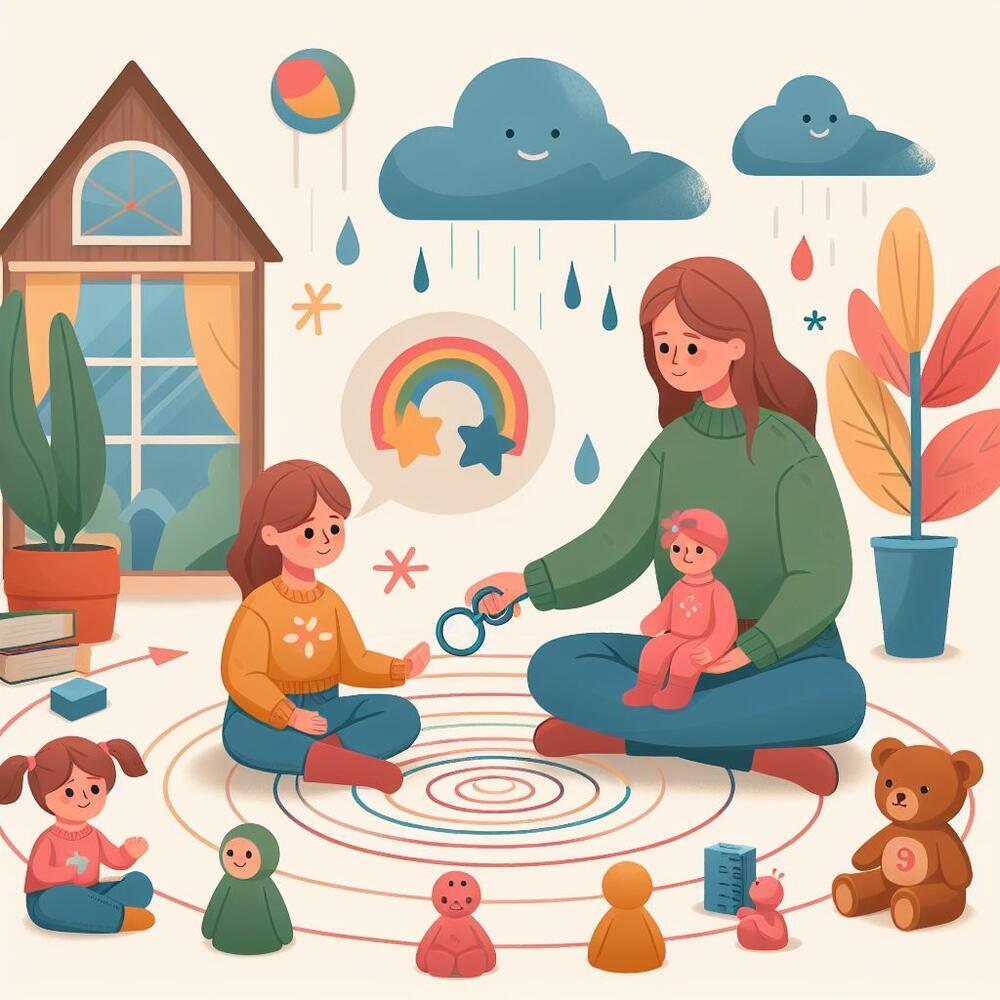 Setting Boundaries: Routines, Stability and TrustHow to set clear boundaries, build predictable daily routines and keep a trusting relationship with your child, with practical steps for busy families.
 Being Involved in Your Child's School Learning in OntarioPractical ways to support your child's learning in Ontario: talking about school, homework routines, report cards, parent-teacher interviews and breaks.
 How to Support Your Child's Creativity at HomeHelp your child's creativity grow: focus on the process, set up a budget-friendly creative corner, and use cooking, crafts and building as creative play.
 Playing and Learning: How to Turn Learning into PlaySimple games for numbers and letters, tips to balance screen time, and ideas for learning through play on PD days, winter break and March Break.
 Speech and Communication Skills: Games and Everyday PracticeEveryday games and habits that build speech, listening and communication skills, tips for bilingual homes in Ottawa, and when to ask a professional.
 Household Chores for Kids: Teaching Responsibility and IndependenceAge-appropriate chores for kids aged 2 to 12, how to teach each task step by step, and routines that help children grow responsible and independent.
 Praise, Confidence and Positive Reinforcement for KidsHow specific praise, positive reinforcement, shared activities and better daily communication help children build lasting confidence and self-esteem.
 EQAO Grade 3 results 2026: what Ontario’s new scores mean for children aged 4–6EQAO Grade 3 results 2026: 75% of Ontario students met the reading standard, 67% writing, 65% math. What the scores mean and the skills to build before school.
 Kindergarten readiness checklist for Ontario parents: skills to build at 4 and 5Kindergarten readiness checklist for Ontario parents: language, early math, fine motor, independence. Skills by age 4 and 5 and a printable list.