
KIDSUP blog
Praise, Confidence and Positive Reinforcement for Kids
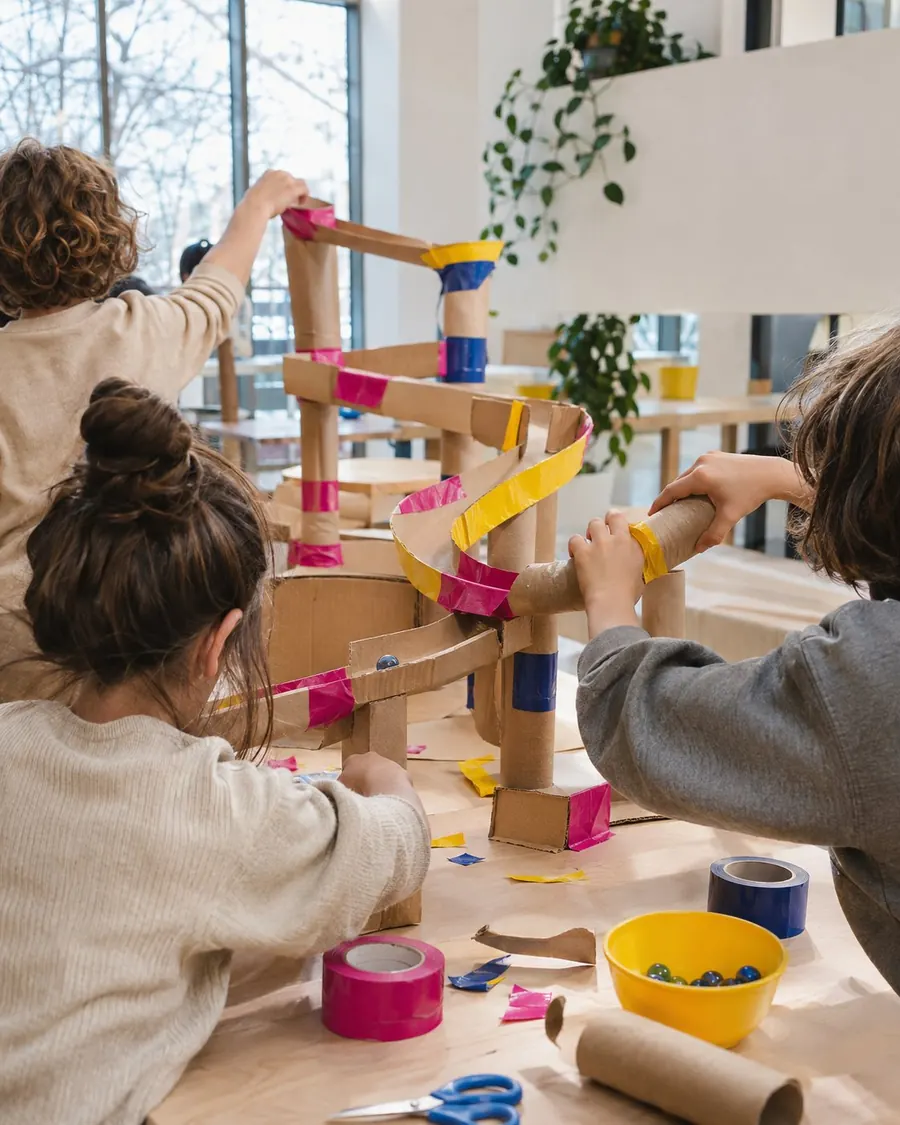
Confidence in children grows slowly, out of hundreds of small moments: a shoe tied on the third try, a drawing shown to grandma, a question asked in class. Parents shape the everyday experiences that self-esteem grows from. This article looks at praise, positive reinforcement and the quiet daily habits that help a child feel capable and connected.
How confidence develops
A confident child is a child who expects to be able to try things. That expectation comes from experience. When a child attempts something, gets support and eventually succeeds, they store a simple lesson: effort leads somewhere.
Confidence also depends on feeling accepted. Children who know they are loved on good days and hard days are more willing to take small risks, like joining a new group at recess or reading aloud in front of the class.
Praise that is specific and honest
General praise such as "good job" is kind, and children enjoy hearing it. Specific praise goes further, because it tells the child exactly what they did well, so they can do it again.
- Name the action. "You put all the blocks back in the bin by yourself."
- Notice effort and strategy. "You kept trying different pieces until the puzzle fit."
- Describe the effect on others. "Your sister smiled when you shared your snack."
- Keep it honest. Children can tell when praise is inflated. If a drawing was rushed, you can still comment on the colours they picked.
Praising effort helps children cope with difficulty. A child who often hears "you're so smart" may avoid hard tasks to protect that label. A child who hears "you worked hard on that" learns that struggle is a normal part of learning.
Watch the amount, too. A few sincere comments a day carry more weight than a running stream of compliments.
Positive reinforcement in everyday life
Positive reinforcement means noticing and rewarding the behaviour you want to see more often. Most of the time the reward is simply your attention: a smile, a thank you, a high five, a few extra minutes of reading together.
Here is a simple way to use it at home:
- Choose one behaviour to focus on. For example, getting dressed for school without reminders.
- Explain it clearly. "In the morning, I'd like you to put on your clothes and come down for breakfast."
- Catch it happening. As soon as your child does it, even partly, say what you saw.
- Add a small reward if it helps. A sticker chart works well for younger kids. Five stickers might mean choosing Friday's dinner or a family game.
- Fade the reward gradually. Once the habit is solid, keep the praise and drop the chart.
Material rewards work best as a short-term tool. The goal is for the child to feel proud of the behaviour itself, so keep rewards small and connected to time together whenever possible.
Strengthening your connection through shared activities
Children build confidence more easily when they feel close to the adults around them. Shared activities create that closeness without any lecture or plan. What matters is regular time when your child has your full attention.
Ideas that fit into a busy Ottawa week:
- Cooking a simple recipe together on Sunday, letting your child measure and stir.
- A walk after dinner, or building a snow fort in the backyard after a big snowfall.
- A weekly library visit where each person chooses one book for the family.
- Board games or card games after homework, taking turns choosing the game.
Let your child lead some of these activities. When a child teaches a parent the rules of a game they invented, they practise being competent and being heard. For more ideas on hands-on projects, see our article on supporting your child's creativity.
Strengthening communication
Confidence and communication support each other. A child who feels listened to is more likely to share worries, ask for help and speak up in class.
Listen first
When your child talks, pause what you are doing if you can and look at them. Short replies such as "and then what happened?" show interest and invite more.
Name feelings
Help children put words to emotions: "You seem frustrated that the tower fell." Naming a feeling helps a child calm down and shows that emotions are acceptable.
Ask open questions
"How was school?" often gets a one-word answer. Try "What made you laugh today?" or "Who did you sit with at lunch?"
Pick good moments
Many children talk more in the car, on the walk home from the school bus stop or at bedtime, when there is less pressure to look at each other.
When things go wrong
Mistakes and frustration are part of growing up. How parents respond to them shapes confidence as much as praise does.
- Stay calm and describe the problem without blaming: "The milk spilled. Let's get a cloth."
- Talk about your own mistakes and what you learned from them.
- Separate the behaviour from the child. Say "hitting hurts" and avoid labels like "you're bad".
- Offer help with the next step, then step back and let your child try again.
Clear limits and predictable routines also make children feel secure, which supports confidence. Our article on setting boundaries and routines covers this in more detail.
A practical option
Group activities with other children give kids more chances to try new things, take turns and earn recognition from someone outside the family. If you are looking for a regular setting like this on school days, the after-school program is one option to consider.