
KIDSUP blog
Being Involved in Your Child's School Learning in Ontario
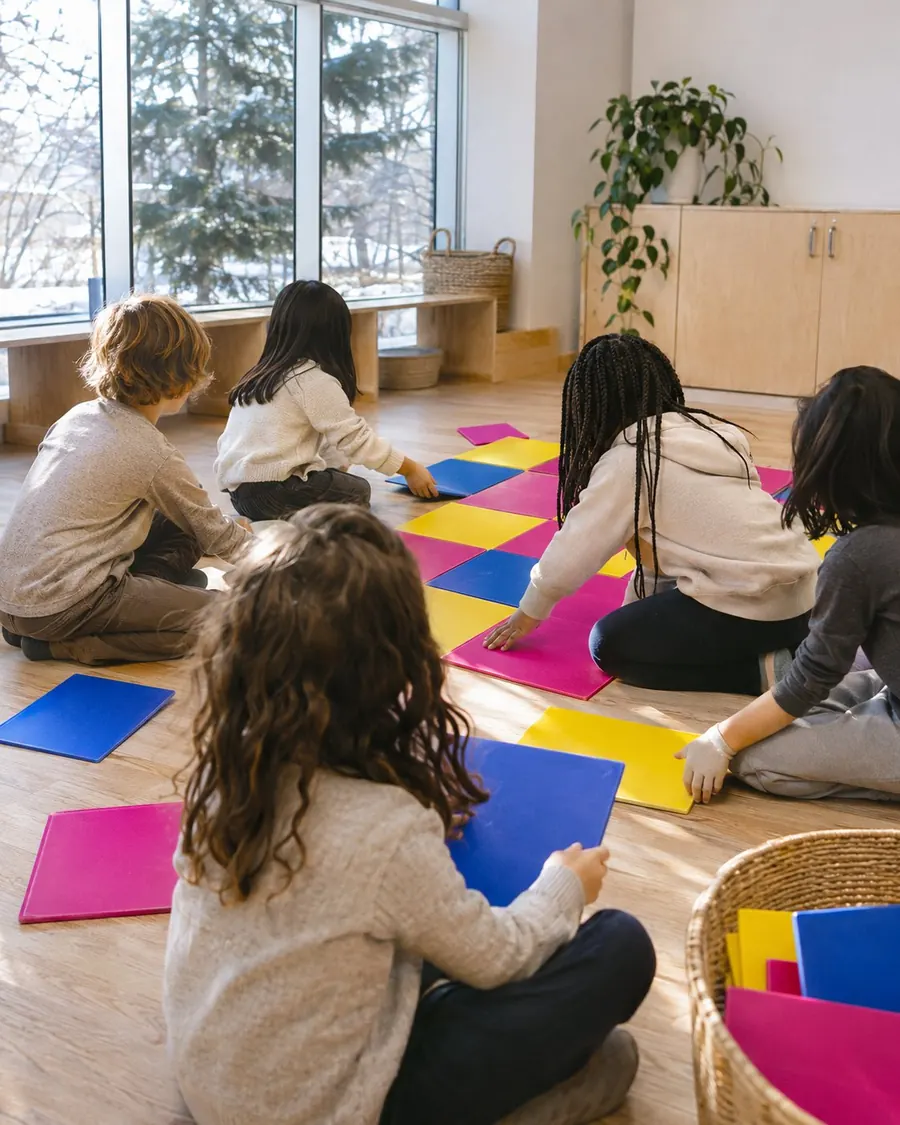
Children feel supported at school when they see that the adults at home care about what they are learning. Being involved takes no teaching degree and no hours of extra work. Small, regular habits, like asking about the day, keeping a homework routine and staying in touch with the teacher, make a real difference.
Why involvement matters
When parents show interest in school, children learn that education is valued in the family. They also feel backed up when something is hard. Involvement looks different in every family, depending on work schedules, the languages spoken at home and the child's age. What counts is steady interest.
Talking about the school day
"How was school?" "Fine." Most parents know this exchange well. A few changes can lead to better conversations:
- Ask specific questions. "What did you build in science?" "What game did you play at recess?"
- Share your own day first. Children often open up after hearing a story from you.
- Choose relaxed moments. The walk from the bus stop, a snack after school or bedtime often work better than the moment they come through the door.
- Listen more than you advise. Let your child finish the story before offering solutions.
- Follow up. "Did your group finish the poster?" shows you remember what they told you.
Younger children often find it easier to show than to tell. Look at their artwork or the agenda together and ask about one thing on the page.
Homework routines
Homework expectations vary by grade, school and teacher. Whatever the amount, a predictable routine helps.
- Pick a regular time. Many children work best after a snack and some active play.
- Set up a calm spot. A kitchen table with good light and the TV off works for most families.
- Gather supplies. Pencils, an eraser, a ruler and paper in one box save time.
- Stay nearby. Be available for questions while letting your child do the thinking.
- Help with planning. For longer projects, break the work into steps on a calendar.
- Check the bag together. Look for notices, agendas and forms each evening.
If homework regularly ends in tears or takes much longer than expected, mention it to the teacher. They can adjust the work or explain what they expect.
Families with children in French Immersion can support learning even when parents speak little or no French. Ask your child to explain the work in English, read together in your home language and contact the teacher with questions.
Report cards and parent-teacher interviews
Ontario schools share progress with families through report cards during the school year and through parent-teacher interviews or conferences. The format can differ between boards and grades, so check what your school sends home.
Reading a report card
- Read the comments as well as the marks or levels. They often explain strengths and next steps.
- Look at the learning skills section, which covers things like organization, collaboration and independent work.
- Talk it over with your child. Start with strengths, then ask what they find hard.
In Grade 3, families also receive an individual EQAO report. Our guide on how to read the EQAO Grade 3 report explains it step by step.
Preparing for an interview
- Write down two or three questions in advance.
- Ask your child what they would like the teacher to know.
- Share useful information about your child at home, such as interests, worries or changes in the family.
- Agree on one or two ways to help at home.
- Ask the best way to stay in touch, whether by email, the agenda or the school's app.
Staying connected with the school
- Read newsletters and notices, even quickly.
- Attend events when you can, like curriculum nights or class concerts.
- Reach out early if something changes at home or your child seems unhappy.
- Volunteer occasionally if your schedule allows, for example on a field trip.
PD days and breaks as a chance to keep learning
PD days, winter break and March Break give children a rest from the classroom. They can also be a time for gentle, playful learning:
- Read for fun every day, including comics and graphic novels.
- Cook or bake together and practise measuring.
- Visit a museum or library and talk about one thing that surprised you.
- Keep a simple journal or scrapbook of the break.
- Go for a winter walk, look for animal tracks in the snow and guess who made them.
- Play board games that involve counting, strategy or words.
For more ideas, see our article on playing and learning.
A practical option
On school days off, a PD Day camp can keep children active and engaged while parents are at work.